Bridge Guardrail
1. Introduction and Definition
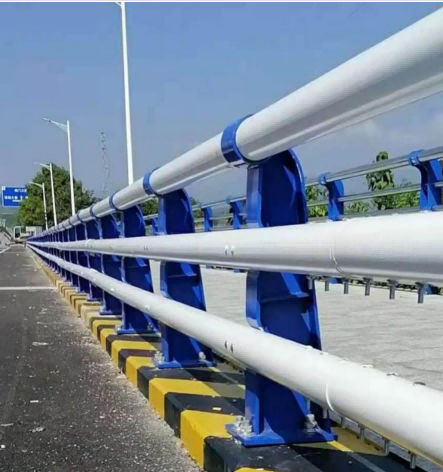
A bridge parapet, also commonly referred to as a bridge barrier or bridge railing, is a critical safety system installed along the edges of a bridge or elevated structure. Its primary function is to contain and redirect errant vehicles, preventing them from falling off the bridge and thereby minimizing the severity of accidents. Unlike roadside guardrails, which are designed to deform and absorb impact energy, bridge parapets must achieve a delicate balance between being strong enough to resist the tremendous forces of an impact on a elevated structure, yet designed to redirect vehicles in a controlled manner. The design and performance of these systems are governed by stringent international standards to ensure maximum public safety.
The Critical Importance of Bridge Parapets
The role of a bridge parapet extends far beyond being a simple physical barrier. Its importance is multifaceted:
· Life-Saving Containment: This is its core purpose. A successful parapet prevents catastrophic events where vehicles plunge off the bridge, which almost always result in severe fatalities or injuries.
· Structural Protection: It helps protect the bridge's structural integrity itself. A vehicle impacting the edge can cause significant damage to the deck slab, girders, or other key components. The parapet absorbs and distributes these impact forces.
· Pedestrian Safety: On bridges with walkways or sidewalks, taller pedestrian parapets provide a vital protective barrier for cyclists and pedestrians, shielding them from traffic and preventing falls.
· Driver Confidence: A robust and visible safety system provides psychological comfort to drivers, which is especially important when traversing high or long bridges, reducing anxiety and potentially improving traffic flow.